Originally written September 2022. Updated May 2025 and May 2026.
The days are getting longer, the weather warmer. The outdoors are calling, it is time to bust out your golf clubs, pickleball paddles, bike and helmet , paddle boards, fishing poles, swim goggles, and walking shoes. Getting a good dose of sunshine, nature, and moving your body in a way you enjoy on most days support your overall health, mood and well-being.
What if you are experiencing daily pain in your joints? Activities you love, like going for a walk, playing golf with your friends or working in your garden, can become challenging when you experience stiffness or pain in your hips, knees, and other joints.
Understanding Arthritis: Causes and Types of Joint Pain
Arthritis pain comes from the swelling and tenderness in the joints. Osteoarthritis and rheumatoid arthritis are the two most common types of arthritis pain.
In a functioning healthy joint, cartilage cushions the ends of the bones to assist in smooth joint motion. Deterioration of the connective tissue that holds the muscle to the bone can happen with wear and tear or injuries over time. It can result in daily pain and restriction in movement from the constant friction of bone on bone. This is what happens with osteoarthritis.
Rheumatoid arthritis is an autoimmune condition where the immune system attacks the lining of the joints and can eventually break down the joint and bone. The lining and tissues become swollen and inflamed, resulting feeling pain.
Dietary Strategies for Reducing Inflammation and Arthritis Pain
Certain foods have anti-inflammatory properties. One step you can take in your pain management plan is to consider which foods you put at the end of your fork. Start by looking at the foods and drinks you consume on a regular basis. There may be some foods you add in more frequently and others you choose to subtract to support a reduction of overall inflammation in your body.
At Nutritional Weight & Wellness, we have seen many clients reduce joint pain after choosing to start eating the Weight & Wellness way, which means eating a diet focused on whole, nutrient rich foods full of essential vitamins, minerals and amino acids. This balanced, whole foods approach offers many health benefits, including supporting joint health and inhibiting inflammation.
What Inflammatory Foods Lead to Knee and Joint Pain?
If you guessed eating low nutrient, low fiber, ultra-processed foods - you are correct! These foods along with alcohol consumption promote inflammation and can lead to more joint swelling and knee pain.
Regularly consuming alcohol, eating foods with a surplus of added sugars, refined grains that offer few micronutrients or fiber creates inflammatory responses in the body. Inflammation can then lead to the actual physical pain you feel in your knees and joints. Joints and connective tissue are particularly vulnerable to inflammation.
Each person can have different inflammation and pain triggers. Common triggers of inflammation and pain we see include diets high in added sugar, refined carbohydrates and alcohol. Some find they experience food sensitivities that trigger pain. Common food sensitivities include dairy and gluten. If you're curious if dairy is an issue for you, learn more about Dairy Intolerance: Causes, Symptoms, Solutions.
Gluten and Joint Inflammation
If you live with the autoimmune condition, celiac, or experience non-celiac gluten sensitivity, foods with gluten lead to inflammation in the body. There is no such thing as a “typical” celiac case, so it's important to do a deep dive into your own inflammatory markers.
It may surprise you to learn there are at least 200 symptoms of celiac and adults with this disease are less likely to have digestive symptoms, with only one third experiencing diarrhea. Adults with celiac are more likely to experience other symptoms including bone or joint pain, arthritis, osteoporosis, or osteopenia.
In nutrition counseling sessions, after conducting a nutrition assessment, I recommend clients be screened for celiac WHILE they are eating enough foods with gluten every day to rule celiac out BEFORE going through a gluten elimination trial. If tests come back negative, I may recommend a gluten free trial to rule out non-celiac gluten sensitivity.
For some clients after a negative celiac screening, they try a gluten free plan and discover their pain and inflammation greatly reduce. If they truly have non-celiac gluten sensitivity, their pain and inflammation often come right back when they go through a gluten reintroduction trial. The reintroduction process helps us determine if a person is experiencing non-celiac gluten sensitivity and if they benefit in the long term from a gluten free plan to reduce joint pain.
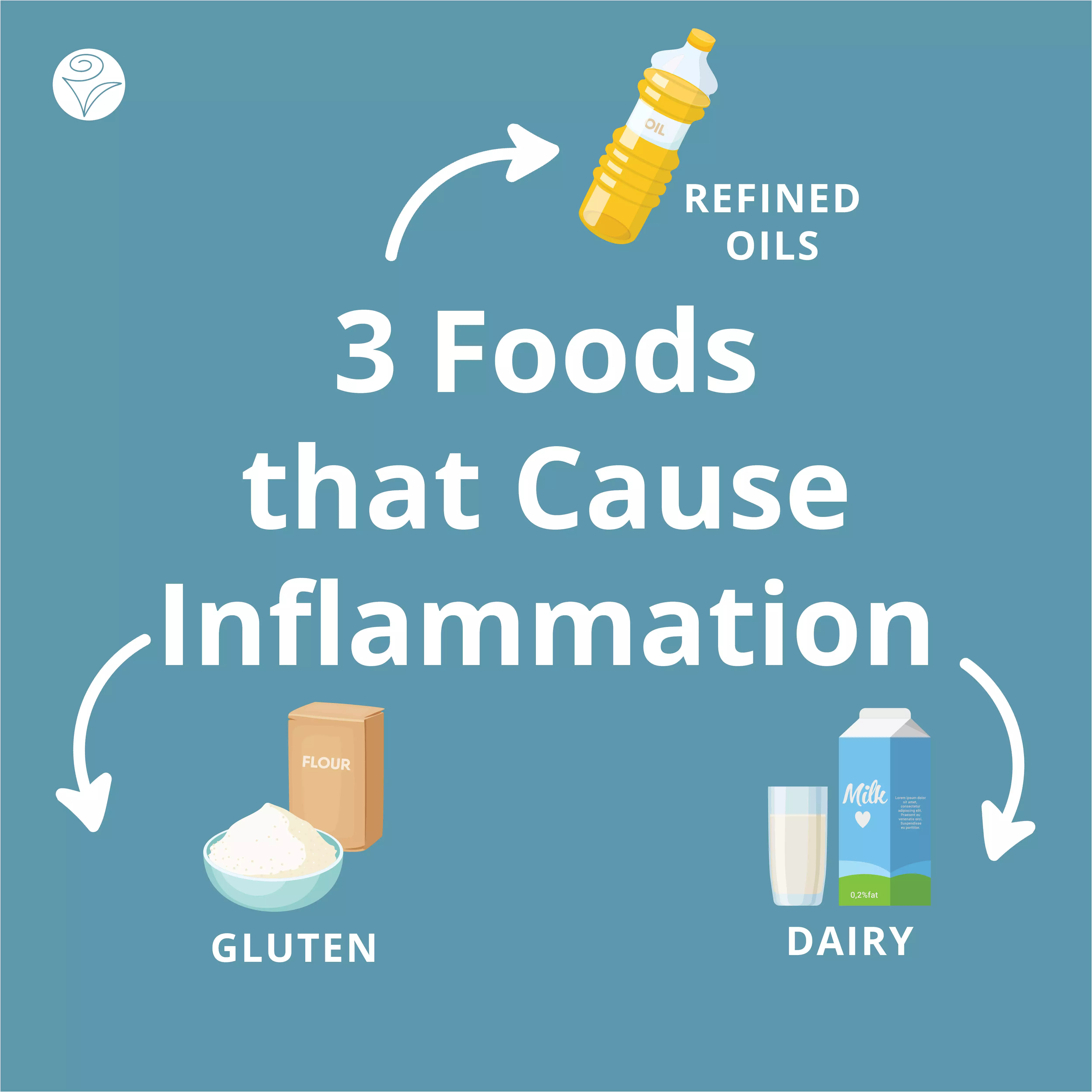
Foods To Avoid For Joint Pain:
- Alcohol
- Ultra processed foods, like white bread, crackers, chips, pasta, cake, cookies.
- Industrial fats - look at ingredient lists and if it lists “partially hydrogenated”, then the food contains trans fats.
- Refined oils - plant oils, like vegetable oil or soybean oil, are often extracted using chemical solvents. These unhealthy fats are susceptible to oxidation.
- High sugar foods, like soda, juice, candy, and pastries.
- Gluten - if you have celiac or non-celiac gluten sensitivity. Gluten is a protein found in wheat, rye, barley and often contaminated in oats. It can be in many foods including sauces, condiments (like salad dressings), soups, and spice mixes.
- Dairy, like milk, cheese, and yogurt, if you are dairy sensitive. Not everyone needs to avoid dairy. For example, I live with lactose intolerance, yet dairy is one of my favorite food groups. When I choose lactose free or lower lactose dairy foods, my system is happy and okay. Work with a dietitian when considering food sensitivities and going through elimination and reintroduction trials.
My fellow dietitian coworkers and I have had clients who stopped eating specific foods like those with gluten or added sugars for a trial period. Upon reintroduction of said food(s) they report feeling their pain in their joints return within 24 hours.
Working one on one with a licensed dietitian or nutritionist can be helpful. Our goal as registered dietitian nutritionists is to not over restrict a person's diet. I like the saying: “be the pencil and not the eraser”. What foods can we ADD to your day, like a pencil, that help inhibit inflammation and pain?
Read: Sugar Aches & Inflammation
What Anti-Inflammatory Foods Help Relieve Joint Pain?
Just like there are foods that INCREASE inflammation in the body, there are also foods that help DECREASE inflammation. We're looking for foods that are nutrient-dense with plenty of naturally occurring vitamins, minerals, phytonutrients, antioxidants, and amino acids that nourish, protect, and give energy to our cells. These foods help your body build the cartilage and ligaments and strengthen connective tissue that supports healthy joints.
Foods To Include:
-
Fatty fish - what counts as fatty fish? Think SMASH: Salmon (wild caught is great), Mackerel, Anchovies, Sardines, Herring. These fish offer some of the highest levels of omega 3 fatty acids from EPA and DHA.
-
Sidenote - Some canned fish companies, such as Wild Planet® or SafeCatch®, hand pack tuna with no water, oil or filler added (no need to drain the tuna). The process results in MORE omega 3 fatty acids being retained compared to traditional canned tuna processing, making them a convenient option to enjoy for an omega-3 boost.
-
Meats, like chicken, turkey, beef. If you are in the position to “level up” in the protein department, consider looking for 100% grass-fed beef, lamb or goat, pasture-raised chicken thighs or pasture raised pork (Sidenote – pigs don't eat grass).
-
Pasture-raised eggs - chickens are NOT naturally vegetarians. For healthy chickens and eggs, we want them eating a mixture of things out in the pasture.
-
Vegetables, like dark leafy greens, cruciferous vegetables (broccoli, cauliflower, cabbage, Brussels sprouts), sweet potato, squash. Many vegetables and fruits are high in vitamin C. Vitamin C is needed to produce collagen, the most abundant protein in the body.
-
Fruits, like apples, strawberries, blueberries, kiwi fruit, citrus fruits like oranges, peaches, and pears. Tart cherry juice and Bing cherries may support joints as they have polyphenol, anti-oxidative and anti-inflammatory properties.
-
Nuts and seeds – some of my favorites include walnuts or pecans and pumpkin seeds.
-
Whole grains and legumes, like brown rice, wild rice, quinoa, sorghum, teff, lentils, and chickpeas.
-
Healthy fats for cooking, like extra virgin olive oil, avocado oil, coconut oil, and grass-fed butter.
-
Seasonings and natural flavor, like garlic, onion, ginger, turmeric, bone broth. Turmeric is commonly recommended for muscle recovery due to its anti-inflammatory properties. Incorporating 1-3 teaspoons in your day may have benefits.
What Anti-Inflammatory Foods Help Relieve Joint Pain?
Just like there are foods that INCREASE inflammation in the body, there are also foods that help DECREASE inflammation. We're looking for foods that are nutrient-dense with plenty of naturally occurring vitamins, minerals, phytonutrients, antioxidants, and amino acids that nourish, protect, and give energy to our cells. These foods help your body build the cartilage and ligaments and strengthen connective tissue that supports healthy joints.
Foods To Include:
-
Fatty fish - what counts as fatty fish? Think SMASH: Salmon (wild caught is great), Mackerel, Anchovies, Sardines, Herring. These fish offer some of the highest levels of omega 3 fatty acids from EPA and DHA.
Sidenote - Some canned fish companies, such as Wild Planet® or SafeCatch®, hand pack tuna with no water, oil or filler added (no need to drain the tuna). The process results in MORE omega 3 fatty acids being retained compared to traditional canned tuna processing, making them a convenient option to enjoy for an omega-3 boost.
-
Meats, like chicken, turkey, beef. If you are in the position to “level up” in the protein department, consider looking for 100% grass-fed beef, lamb or goat, pasture-raised chicken thighs or pasture raised pork (Sidenote – pigs don't eat grass).
-
Pasture-raised eggs - chickens are NOT naturally vegetarians. For healthy chickens and eggs, we want them eating a mixture of things out in the pasture.
-
Vegetables, like dark leafy greens, cruciferous vegetables (broccoli, cauliflower, cabbage, Brussels sprouts), sweet potato, squash. Many vegetables and fruits are high in vitamin C. Vitamin C is needed to produce collagen, the most abundant protein in the body.
-
Fruits, like apples, strawberries, blueberries, kiwi fruit, citrus fruits like oranges, peaches, and pears. Tart cherry juice and Bing cherries may support joints as they have polyphenol, anti-oxidative and anti-inflammatory properties.
-
Nuts and seeds – some of my favorites include walnuts or pecans and pumpkin seeds.
-
Whole grains and legumes, like brown rice, wild rice, quinoa, sorghum, teff, lentils, and chickpeas.
-
Healthy fats for cooking, like extra virgin olive oil, avocado oil, coconut oil, and grass-fed butter.
-
Seasonings and natural flavor, like garlic, onion, ginger, turmeric, bone broth. Turmeric is commonly recommended for muscle recovery due to its anti-inflammatory properties. Incorporating 1-3 teaspoons in your day may have benefits.
DID YOU KNOW?
- Pasture-Raised refers to WHERE the animal grazed (outside on pasture). Pasture-Raised are not always grass-fed animals. The animals might be fed grain indoors by farmers, especially in the winter months (Minnesota and Wisconsin winters are COLD). Also, grass-fed animals are not always pasture-raised animals because they may spend a significant portion of time indoors.
- Grass-Fed refers to WHAT the animal ate. ALL cows start off grass-fed. Some are also grass-finished while conventional cows are grain-finished.
This isn't an exhaustive list of all the anti-inflammatory foods for knee pain you can choose from to reduce inflammation but they all fuel and provide the body with nutrients to reduce pain associated with inflammation.
How many of these foods do you eat on a regular basis with anti-inflammatory properties? Is your current eating plan helping to alleviate your pain or adding to it? Be the pencil and ADD some anti-inflammatory foods to your day.
A Day Of Foods For Less Knee Pain
A fun experiment is to try the following eating plan, or variations of it depending on your energy needs, for a week or two and keep tabs on how you feel.
Eating a diet consisting of anti-inflammatory foods (quality A Day Of Foods For Less Knee Pain
A fun experiment is to try the following eating plan, or variations of it depending on your energy needs, for a week or two and keep tabs on how you feel.
Eating a diet consisting of anti-inflammatory foods (qualityanimal proteins, carbohydrates from vegetables and fruit, and healthy fats like those listed below) provides the nutrients that are critical for fueling your body for other health benefits as well as to reduce joint pain:
-
Breakfast: 2 oz serving of a Turkey Breakfast Sausageplus half-cup of sweet potato and 2 oz of avocado along with a side of 5.3 oz plain Greek yogurt with 4 oz raspberries and 1 tablespoon of chia seeds.
-
Morning Snack: 3 oz diced apple with two hard boiled eggs.
-
Lunch: 1/6 portion of our recipe for Mediterranean Quinoa Salad.
-
Afternoon snack: 1/3 of our recipe for Noats! Seedmeal topped with 4 oz diced fruit (example: Kiwi or peaches).
-
Dinner: 4-6 ounces of grass-fed beef (such as a steak tenderloin or 90-93% lean hamburger patty), 2/3 cup of green peas, and two cups of vegetables (diced carrots, zucchini, mushrooms) sautéed in two teaspoons of avocado oil.
Read: Lose Weight With An Anti-Inflammatory Diet
Supplements We Recommend For Healthy Joints
While we always emphasize food first, sometimes a healthy diet and food choices alone are not quite enough to completely kick knee and joint pain to the curb, especially if the body has been trying to fight inflammation for an extended period.
For extra healing to fight inflammation and improve joint pain, we often recommend adding the following supplements that have an anti-inflammatory effect:
Omega-3 fatty acids are a well-known anti-inflammatory supplement that contains essential fatty acids from cold-water fatty fish, also helps reduce joint pain.
We recommend starting 3000-4000mg from EPA and DHA in fish oil supplements daily.
Curcumin is the major polyphenol and anti-inflammatory compound found in turmeric. Curcumin400 was crafted to make sure this compound is in the most bioavailable form so the body can ingest all its antioxidant properties. We recommend two soft gels daily and see how you feel.
Vitamin D3 is probably our top supplement we recommend to clients. Most of us in Minnesota and Wisconsin don't get enough vitamin D from sunlight and can easily become deficient. Vitamin D supports your immune system, bone health, heart health and even your mood.
Depending on your current levels we often recommend 1000-5000 IU of Vitamin D3 a day.
Read: Best Supplements For Joints
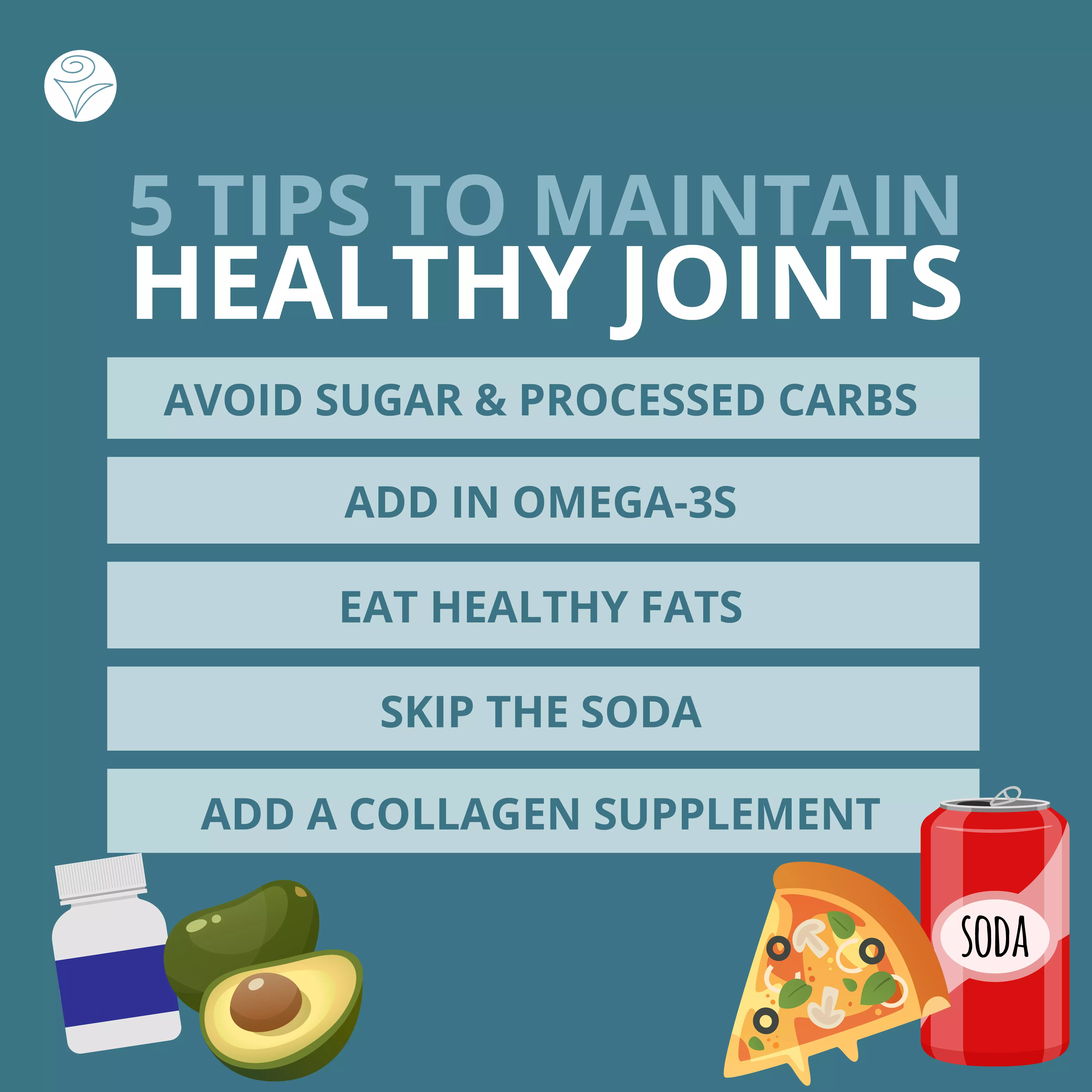
Recap On How To Reduce Join Pain
There are plenty of doable steps to take to relieve joint pain and improve overall joint health.
- Remove the potential food sources that may be causing inflammation in your body, like gluten, sugar, processed carbs, soda, alcohol, and inflammatory damaged fats.
- Add more anti-inflammatory diet foods onto your plate, making sure to incorporate plenty of natural fats for lubrication, animal protein for the amino acids, and plenty of fruits and vegetables for their antioxidants and essential minerals and vitamins.
- With your doctors okay, consider adding a supplement to help reduce your overall inflammation, like a fish oil supplement, and a supplement that helps target healthy joints.
While changing your food sounds simple, many people find they benefit from more guidance and support, which is why a nutrition consultation is often helpful, especially if you're looking to add in some supportive supplements, but you don't know where to start.
Reach out to us if you need additional support and want a customized plan. We can help you get back to enjoying your favorite activities outdoors, in nature, all season long!
For more information on this topic, check out these resources:
Listen: Arthritis & Joint Pain
Read: Reduce Inflammation to Support Weight Loss & Metabolism
Inspire: check out Bonnie's success story where she reduced her chronic pain
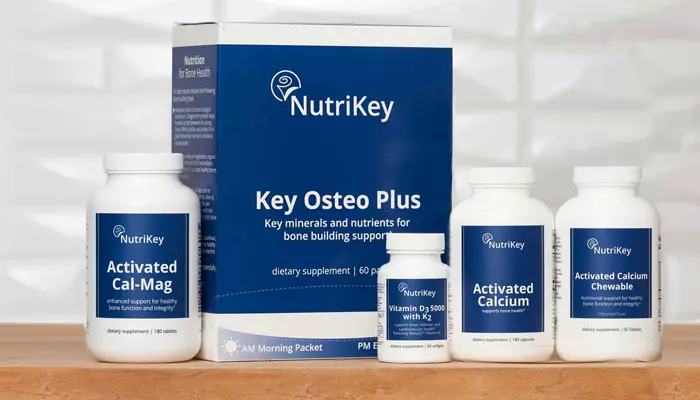
NutriKey Products Mentioned:
- Omega-3 1000 and Omega-3 Extra Strength - containing essential fatty acids from cold-water fish
- Curcumin400- featuring innovative BioCurc®—a patented ingredient that has been shown in clinical studies to surpass the bioavailability of virtually every other curcumin/turmeric extract product on the market
- Vitamin D3 1000 and Vitamin D3 5000- 1000 IUs or 5000 IUs in each softgel for the right dose in the most bioavailable form